
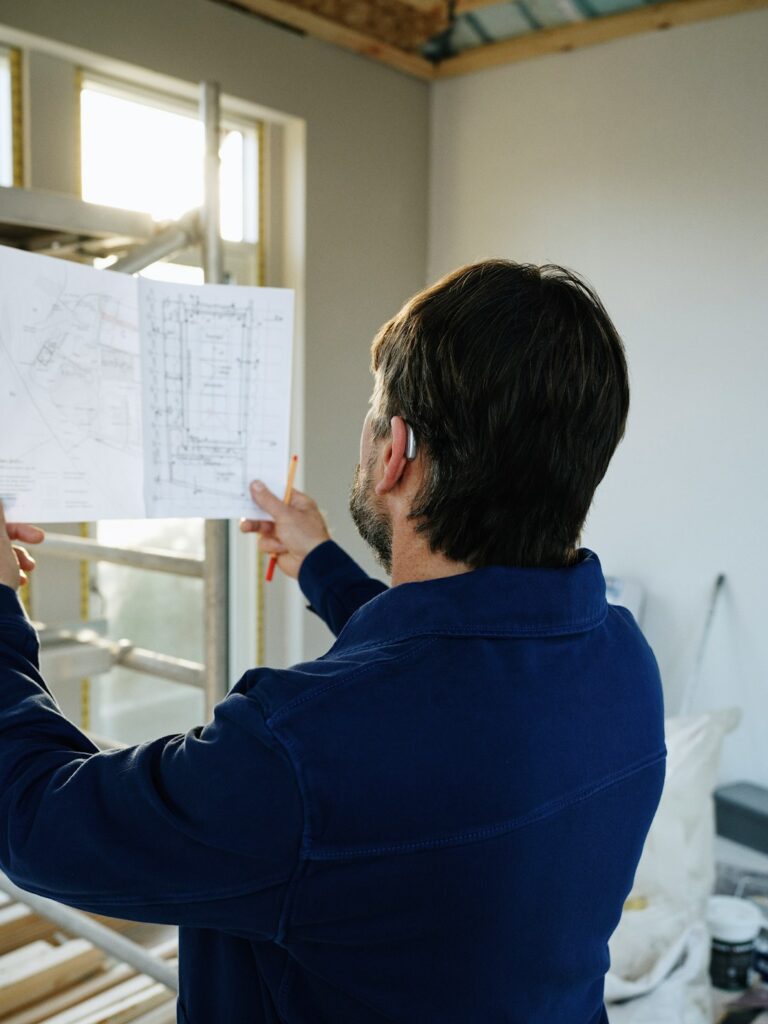
Major renovations can change more than the appearance of a home. They may affect the property’s replacement cost, liability exposure, personal property limits, occupancy, and eligibility for certain types of coverage. Before work begins, homeowners should review the insurance policy, document the existing condition of the home, and understand how the project could change protection.
Does a major renovation affect homeowners insurance?
Yes. A renovation can increase the amount it would cost to rebuild the home and may create temporary risks that are different from ordinary household risks.
Projects that commonly require an insurance review include:
- Room additions
- Kitchen or bathroom remodels
- Roof replacement
- Structural repairs
- New decks, porches, or detached buildings
- Finished basements or enclosed garages
- Electrical, plumbing, or heating-system upgrades
- Installation of pools, hot tubs, or outdoor structures
A cosmetic project such as painting may not substantially change the dwelling limit. A new addition, upgraded kitchen, or high-value flooring system could significantly increase the cost to restore the property after a covered loss.
The policy’s dwelling limit is not the same as the home’s market value. It is intended to reflect the cost of rebuilding the structure, generally using materials of similar kind and quality. Renovation costs should be considered if the existing limit was based on the home’s pre-renovation condition.
Should the insurance company be notified before work starts?
In many cases, yes. Policy requirements vary, but notifying the insurer or insurance representative before a substantial project creates an opportunity to review coverage and identify exclusions or conditions that could matter during construction.
The review should address:
- Whether the current dwelling limit remains adequate
- Whether the home will be vacant or only partly occupied
- Whether construction materials will be covered while stored on the property
- Whether the project requires a course-of-construction or builder’s-risk policy
- Whether liability coverage applies to injuries involving workers or visitors
- Whether new structures or expensive fixtures need to be added after completion
A standard homeowners policy is designed for a completed residence. It may not fully address risks created by open walls, unfinished wiring, exposed plumbing, demolition, vacant rooms, or large quantities of materials stored outdoors.
Written confirmation of important coverage questions can be useful. Verbal assumptions about what “should” be covered may not match the actual policy language.
What happens to coverage while a home is under construction?
Coverage may continue, but the details depend on the policy and the type of work. Some policies limit or exclude certain losses if a home becomes vacant, is left unoccupied for an extended period, or no longer meets ordinary safety requirements.
Renovation-related risks can include:
- Theft of appliances, tools, wiring, or building materials
- Water damage from temporary plumbing changes
- Fire caused by electrical work or heat-producing equipment
- Wind or rain entering through an open roof or unfinished exterior
- Injuries to workers, guests, or children entering the work area
- Damage to neighboring property from debris, equipment, or construction activity
A homeowner should not assume that the renovation contractor’s insurance covers every loss. The contractor’s policy may primarily address the contractor’s operations and liability. It may not cover damage to the homeowner’s existing structure, personal belongings, or newly purchased materials in every situation.
Who is responsible if a worker is injured?
Responsibility depends on the circumstances, the work arrangement, and the applicable insurance policies. Homeowners may face liability concerns if a person is injured on the property, particularly if unsafe conditions are known or if the homeowner directly supervises certain work.
Before work begins, homeowners should understand whether the people performing the work are employees, independent contractors, or subcontractors. It is also reasonable to ask for proof of current general liability coverage and workers’ compensation coverage when applicable.
A homeowner’s policy may provide personal liability protection, but that protection has limits and exclusions. It should not be treated as a replacement for proper contractor insurance, safe work practices, permits, or written contracts.
For larger projects, the contract should clearly identify who is responsible for:
- Securing permits and inspections
- Protecting unfinished work from weather
- Removing debris
- Paying subcontractors
- Repairing damage caused by construction
- Maintaining insurance during the project
- Correcting defective or incomplete work
Do permits and building codes affect insurance?
They can. Permits and inspections help establish that work was performed according to applicable requirements, but a permit does not guarantee that a later insurance claim will be paid.
In Tennessee, rules differ depending on the type and size of the project. Additions, structural changes, electrical work, plumbing, heating and cooling work, and other improvements may involve permits or inspections. Requirements can also vary by jurisdiction.
Unpermitted work may create complications when a claim involves the renovated area. It can also make it harder to determine whether a loss resulted from an insured event, defective construction, code violation, or improper installation.
Homeowners should keep copies of permits, inspection approvals, plans, contracts, invoices, and change orders. These records can help establish what was done, when it was done, and how much was spent.
What is ordinance or law coverage?
Ordinance or law coverage helps address added costs required to repair or rebuild a damaged home according to current building codes.

For example, a partial loss may involve an older electrical system, plumbing configuration, roofing assembly, windows, or structural feature that no longer meets current requirements. The basic repair cost may be covered, while the extra expense to bring unaffected or replacement portions up to code may be limited or excluded without appropriate coverage.
A major renovation is a useful time to ask whether ordinance or law coverage is included and whether its limit is sufficient. The answer may be especially relevant for older homes that have been updated in stages over many years.
How should homeowners document the renovation?
Detailed records can make a future claim easier to evaluate. Before demolition begins, photograph or video each room, exterior wall, roof area, outbuilding, and major personal possession.
During the project, retain:
- Receipts for materials and fixtures
- Invoices for labor
- Architectural drawings and plans
- Permit and inspection records
- Photos showing concealed work before walls are closed
- Product descriptions and model information
- Written changes to the original contract
A remodeled kitchen, upgraded bathroom, new roof, or finished living area may contain more valuable materials than the previous space. A home inventory should be updated after the work is complete, especially if the renovation adds appliances, electronics, furnishings, collectibles, or specialty equipment.
Are renovations covered if the project itself is defective?
Usually, homeowners insurance is not a warranty for poor workmanship. Policies commonly distinguish between sudden, accidental damage and the cost of correcting defective design, materials, or construction.
For example, a policy may respond differently to:
- A burst pipe that suddenly damages flooring
- A long-term leak caused by improper installation
- Wind damage to a completed roof
- The cost of replacing a roof that was installed incorrectly
- Fire that spreads from an electrical failure during construction
The exact outcome depends on the policy wording, the cause of loss, and the facts of the claim. Renovation contracts, warranties, photographs, and inspection records can be important in separating covered damage from repair work that is the contractor’s responsibility.
What should Paris homeowners review before renovation begins?
Seasonal storms, heavy rain, wind, and periods of severe heat can expose unfinished portions of a home to additional damage. Roof work, exterior additions, and projects involving crawl spaces or drainage should be planned with temporary weather protection in mind.
Before work starts, review these items:
- Current dwelling and other-structures limits
- Replacement cost versus actual cash value
- Deductibles and special deductibles
- Personal liability limits
- Additional living expense coverage
- Flood and water-backup exclusions
- Ordinance or law coverage
- Vacancy or unoccupancy conditions
- Coverage for building materials and equipment
- Contractor insurance and written responsibilities
The most reliable answer is found in the actual policy, endorsements, and written coverage confirmation—not in a general assumption that all renovation-related losses are covered.
