

What Does Liability Mean in Insurance?
Liability, in the context of insurance, refers to being legally responsible for harm caused to someone else or their property. When an insurance policy includes liability coverage, it means the insurer will help cover costs if the policyholder is found responsible for an accident or damage that affects another person.
For households and drivers in Paris, TN, liability is a common feature in major insurance types such as auto, homeowners, and renters policies. This coverage protects individuals from personally paying for injuries or damages up to the policy’s limits if they’re held at fault.
—
Why Is Liability Coverage Required or Recommended?
Liability coverage is required by law for certain types of insurance, such as auto insurance, while strongly recommended for others like homeowners or renters insurance.
In Paris, the minimum required liability coverage for car owners is set by Tennessee state law. This legal minimum helps ensure that drivers can cover costs if they cause an accident that injures someone else or damages property. For homeowners and renters, liability isn't legally required but is often included in standard policies because lawsuits or claims can be financially devastating, even from seemingly minor incidents.
Having adequate liability protection helps area residents avoid out-of-pocket expenses that could otherwise result from unexpected accidents at home, on the road, or elsewhere in the community.
—
How Does Liability Insurance Work In Practice?
If a local resident is found legally responsible for injury or property damage, their liability insurance will pay, up to the policy’s limit, for costs such as medical expenses, repairs, or legal fees. The process starts when a covered event occurs and another party files a claim against the policyholder.
For example:
- A homeowner in the city is responsible when a visitor slips and injures themselves on an icy walkway. The homeowner’s liability insurance can help pay for the visitor’s medical treatment.
- A local driver accidentally rear-ends another vehicle on Highway 79, causing vehicle damage. The liable driver’s auto policy covers the repairs for the other driver’s car.
Importantly, liability insurance only covers harm to others—not to the policyholder themselves or their property.
—
What Types of Damages Are Covered?
Liability insurance typically covers two major areas:
- Bodily injury: Costs related to injuries suffered by people other than the policyholder or their family. This may include medical bills, rehabilitation, or legal claims for pain and suffering.
- Property damage: Repair or replacement costs for property belonging to others, such as vehicles, buildings, or belongings.
In Paris, these protections are particularly relevant during harsh winters, storm seasons, or in neighborhoods where neighbors and children frequently visit one another’s property.
—
Are There Common Liability Misconceptions?
Yes—many local residents are unclear about what liability insurance actually pays for, or they overestimate the amount of protection included in standard policies.
Some common misconceptions include:
- Assuming it covers personal injuries, like when the policyholder themselves is hurt in an accident.
- Believing liability limits are “per claim” rather than per incident or annual aggregate, which can result in underestimating potential out-of-pocket exposure.
- Thinking all accidents are covered, even those that are intentional or involve illegal activity, which is not the case.
Understanding these distinctions helps the community make more informed decisions about insurance coverage levels to match their needs.
—
How Much Liability Coverage Is Enough?
The minimum required by state law may not be enough to fully protect individuals from financial risk, especially in situations involving severe injuries or costly property damage.
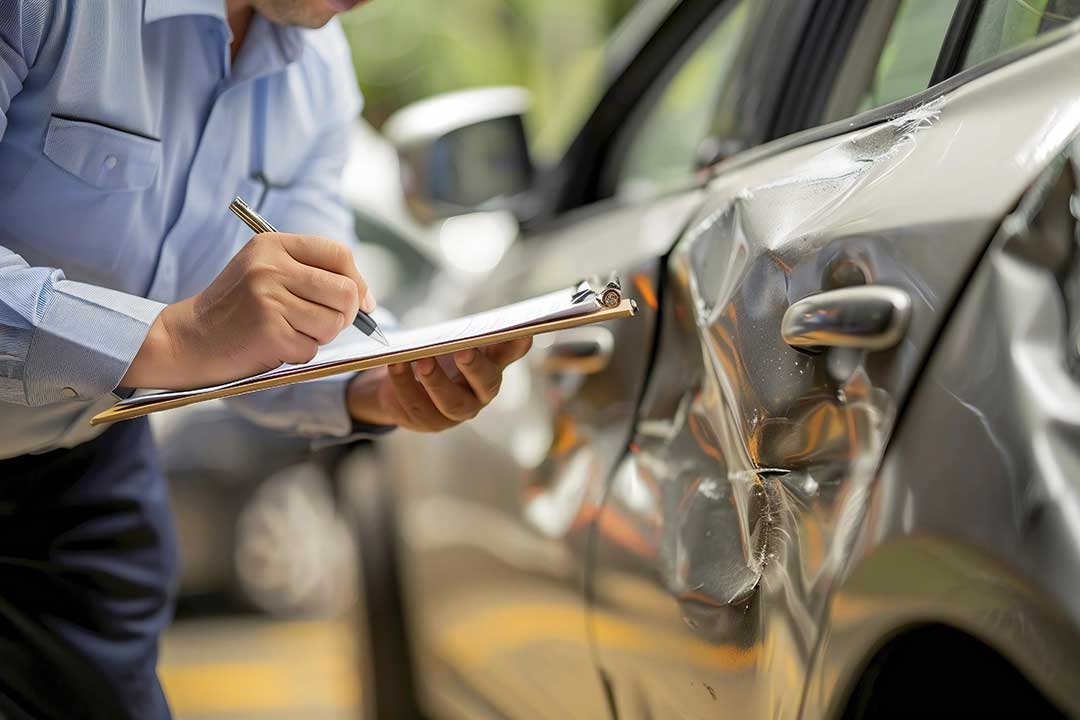
Area residents often consider several local factors to determine appropriate coverage:
- Typical costs for vehicle repairs, medical care, or legal defense in the region.
- The number of visitors to their home or property, especially during community events, holidays, or family gatherings.
- The likelihood of accidents, such as slip and falls on icy driveways or dog bites during neighborhood walks.
In the city, selecting higher liability limits provides greater protection against rare but costly lawsuits or claims.
—
What Happens If Your Liability Limit Isn’t Enough?
If the damages caused exceed the insurance policy’s liability limits, the responsible party is held personally responsible for the rest. That means savings, income, or even future earnings could be at risk without sufficient insurance.
For example, after a major car accident, if the cost of injuries and repairs for the other party surpasses the policy’s limit, the remainder would come out of the policyholder’s own pocket.
Residents may want to periodically review their liability limits—especially after changes such as buying a home, adding a young driver, or adopting a pet—to ensure they align with current risk factors.
—
What Liability Coverage Doesn’t Include
Liability insurance is best understood by also knowing what it does not cover. It does not pay for:
- The policyholder’s own injuries or property damage—other coverages apply for these losses.
- Business-related accidents—separate business liability policies are needed for commercial activities.
- Deliberate or criminal acts.
If there’s uncertainty about whether a specific situation would be covered, reviewing the policy details or speaking with a non-commercial insurance resource can offer clarity.
—
Practical Tips for Residents
Liability insurance is a foundation of financial security for individuals and families in the city. By understanding what it does, identifying coverage gaps, and regularly updating policies as life changes, area households can reduce unwanted surprises if an accident happens.
